The "Ghost Asset" Epidemic: How the Overhang in Cheap Tourist Apartments is Cannibalizing Hospitality
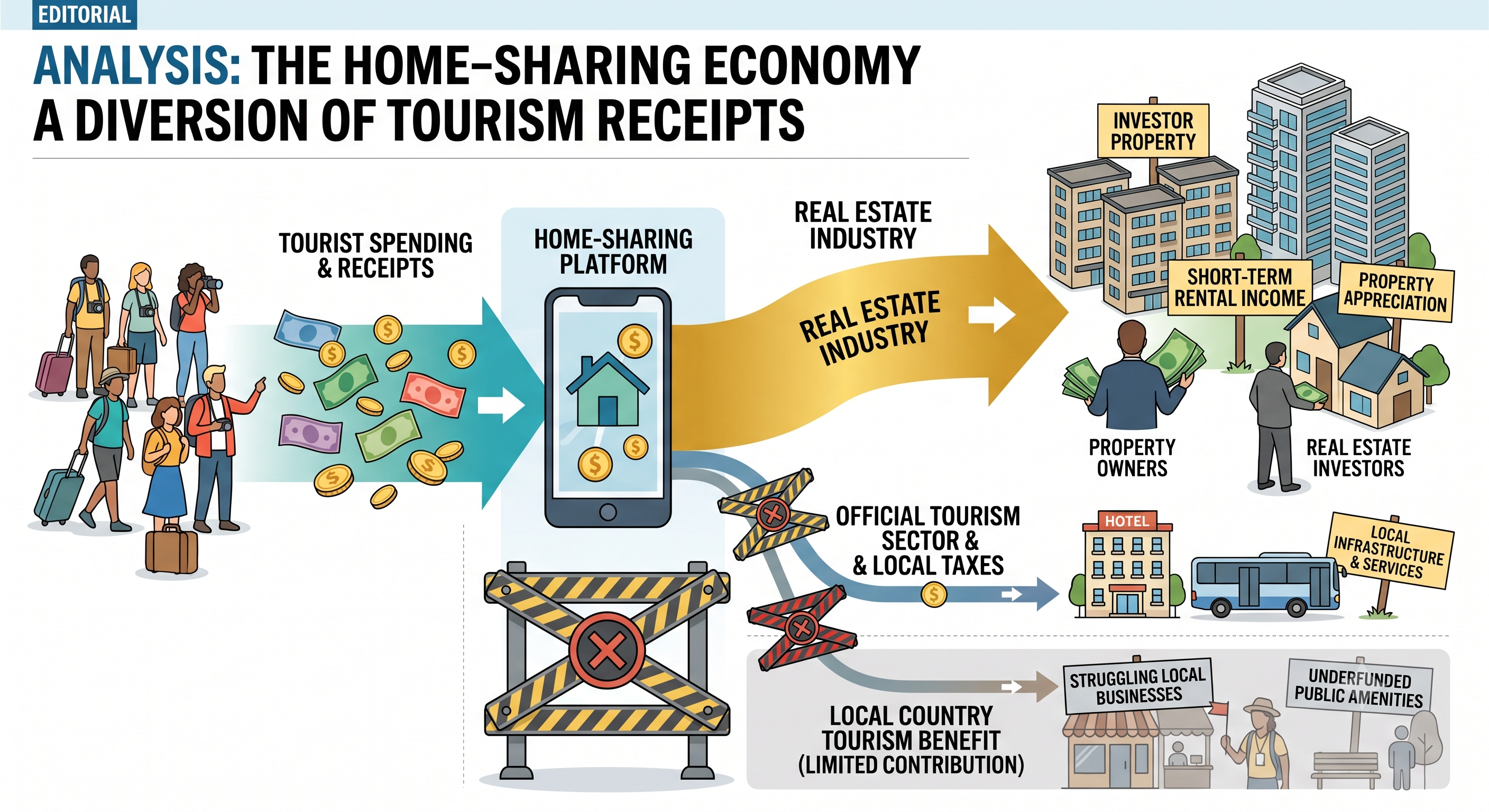
In Malaysia alone, recent 2026 property data reveals a staggering overhang of over 32,000 completed but unsold residential units�the vast majority being high-rise condos and "serviced apartments", dumping this massive shadow inventory directly into the short-term rental market.
These aren't quaint boutique homestays. These are towering blocks holding thousands of keys, built purely for investment yield, with shockingly poor infrastructure most of the time. They flood the market with cheap furnishings, minimal facilities, and even severe architectural oversights like inadequate lift ratios that force guests to wait up to 20 minutes just to get to the ground floor.
The playing field is entirely fractured. Legitimate hotels carry the heavy operational weight of commercial licensing, fire safety compliance, localized talent development, and commercial utility rates. Meanwhile, a fragmented network of absentee operators runs quasi-hotels in residential strata buildings without bearing any of the institutional overhead.
States are finally starting to react�we are seeing Penang strictly ban them in residential high-rises, while Selangor is pushing a strict 180-day cap and new licensing requirements for 2026. But relying on local councils to legislate our competition away is a passive, losing strategy.
If our hotel is losing market share to a poorly furnished apartment with a lockbox on the door and a broken lift, the harsh reality is that our property has become a commodity. So what sets us Hotels different from these strata short term accommodations? What can we do to set us apart, leveraging on what they cannot provide? Perhaps:-
Absolute Infrastructure and Frictionless Service: A tourist apartment cannot (or with limited) guarantee a secure perimeter, functional lift traffic management, 24/7 engineering support, or immediate recovery when something goes wrong.
The "Third Space" Ecosystem: Ghost assets have beds, but they do not have vibrant lobbies, curated F&B hubs, or true wellness facilities. We must re-engineer our ground floor (or strategic spaces) to be a localized cultural hub that a sterile residential block simply cannot replicate.
Institutional Consistency: Corporate and high-yield leisure travelers are experiencing severe "Airbnb fatigue." They are tired of unreliable Wi-Fi, host chore lists, and mismatched furniture. We must loudly market the institutional standardisation and reliability that only a real hotel provides.
The short-term rental market isn't going away, but the era of them getting a free ride on hotel demand is closing. The hotels that win 2026 and beyond won't be the ones complaining about unfair competition�they will be the ones proving their premium every single day.