The "F&B Leakage" Fallacy: Let's Talk About Outsourcing Hotel Dining Space.
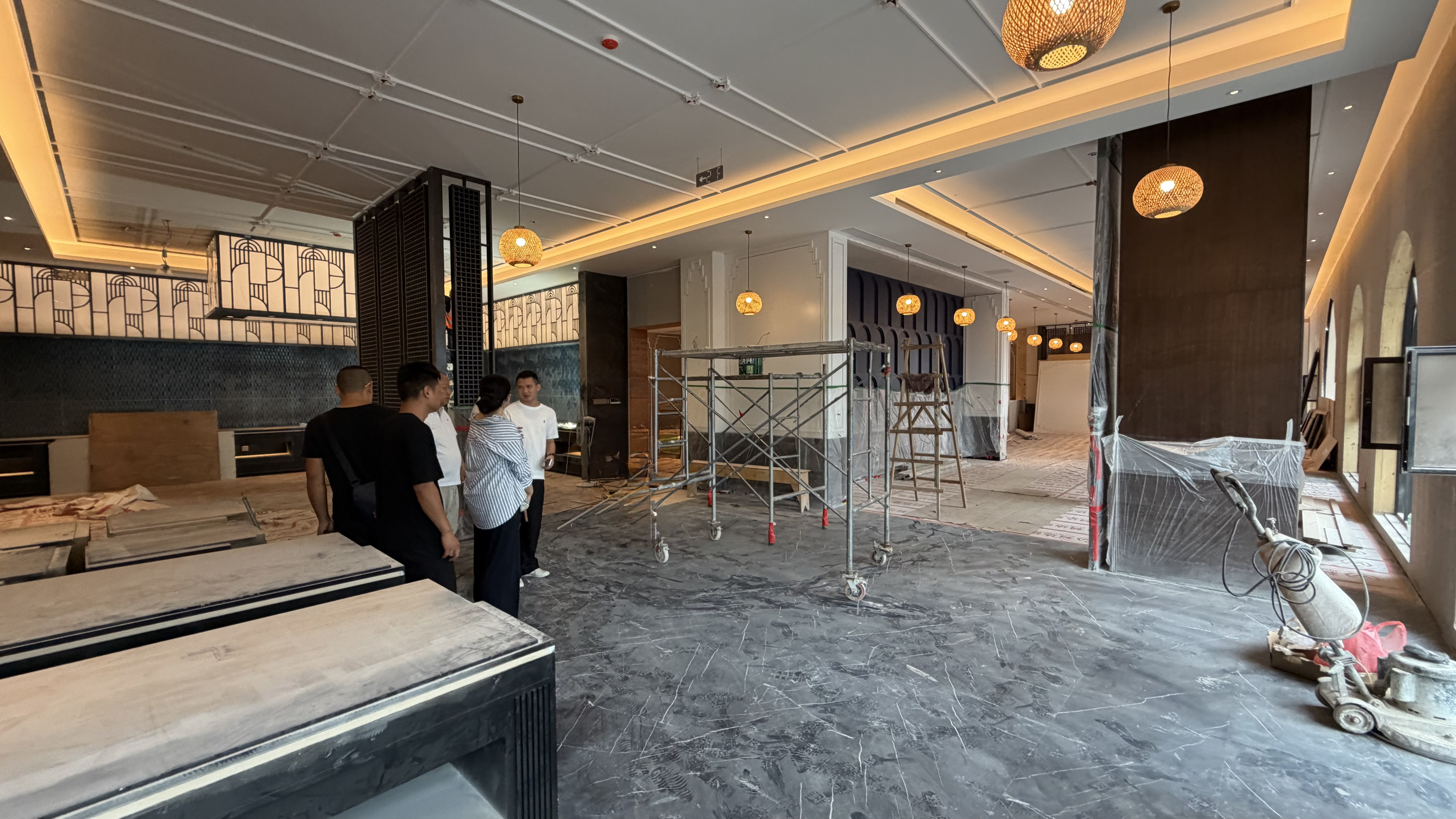
A common conversation with Owners and Hotel Planners: Outsource your F&B. On a short-term spreadsheet, the lease model looks clean. An owner collects fixed rent or a simple turnover percentage from a third-party operator, eliminates culinary payroll liability, and passes the operational headaches down the line.
Hotel Operators are being challenged, can you deliver the equivalent margins per square foot as compared to leasing out the space. Fair assessment, but at what cost?
As we analyze latest Q3 2026 performance benchmarks across primary ASEAN markets, this approach is revealing a major structural flaw: It overlooks the metrics of Total Revenue Per Available Guest (TrevPAG) and erodes long-term asset valuation.
Industry data from Horwath HTL and STR confirms that top-performing regional properties are seeing up to 35% to 40% of their total gross revenue driven by non-room spend, highly integrated F&B concepts as the primary engine. When you slice off dining footprint to a third party, you create an operational silo:
Brand Reputation Risks: Very often Hotel still offers dining to its guests via 3rd Party F&B and a positive or negative experience is still attributed to the Hotel. Hotel loses control over its very own guests' satisfaction and risk a negative review of the entire stay.
Loss of Rate Power: A hotel's dining and social ecosystem is what creates "placemaking" that justifies a 10% to 20% premium on ADR. When your F&B feels like a generic, rented retail tenant, property loses its lifestyle positioning and devolves into a bed-and-breakfast commodity.
In such conversations, while it is factually correct that F&B will command a lower profit margin (compared to rooms), but the perspective changes as it should be viewed as additional revenue and profits in actual $$ value instead of just a mere percentage value.
The solution isn't to run loss-making F&B, nor is it to surrender the space to a third-party. The solution is ruthless internal re-engineering:
Modular, Low-Labor Footprints: Replacing multi-venue kitchen silos with consolidated, high-velocity kitchen layouts that handle peak breakfast pacing before transitioning to agile evening lounge concepts.
Hyper-Local Curation Over Global Menus: Bypassing complex international supply chains by building agile, localized culinary concepts that capture both hotel residents and high-yielding local neighborhood foot traffic.
Cross-Trained Operational Teams: Breaking down rigid departmental walls between front-of-house and F&B staff to flex labor headcount dynamically based on real-time guest flow.
Outsourcing your F&B may protect a short-term margin on paper, but keeping your culinary strategy integrated and operationally lean is what builds long-term real estate equity and Brand Value.