The "Talent-Automation Paradox": Technology Adoption in Hospitality, is it Helping or Worsening Southeast Asia’s Staffing Issues.
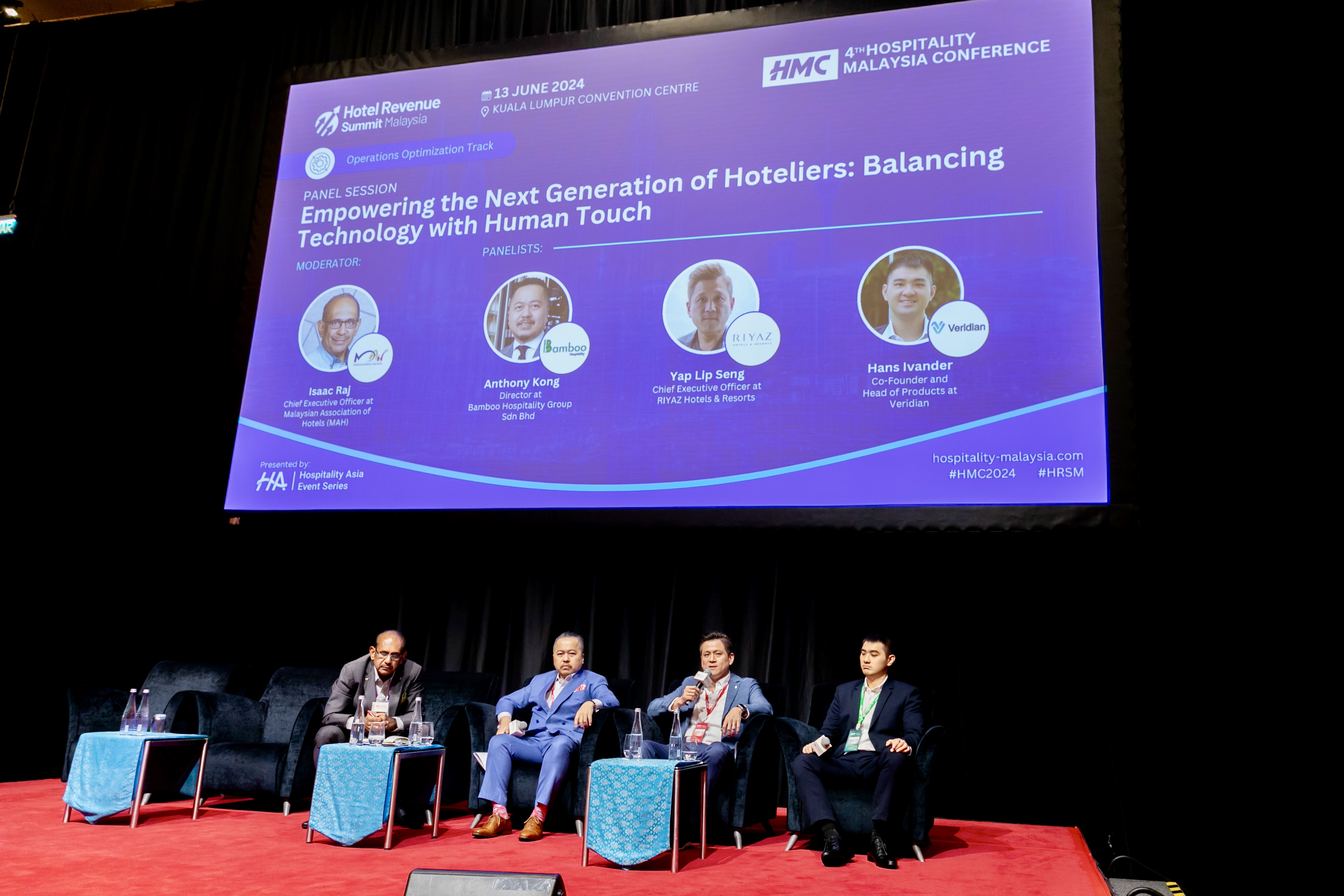
Over 66% of Southeast Asian hospitality employers are currently reporting active talent shortages, with major hubs facing severe operational friction—from Ho Chi Minh City needing up to 28,000 new hotel workers annually against a formal training output of just 6,000 graduates, to Phuket navigating over 15,000 unfilled positions.
We ourselves after signing a 648 keys property recently, although scheduled to be operational in 3 years' time, we immediately went into manpower planning mode. The industry deployed tech to fix the labor crisis. Instead, many properties are experiencing higher turnover and worse guest satisfaction scores.
Why? The way I see it, operators fell into the Automation Replacement Fallacy. When operators deploy self-service kiosks or automated front-desk tools simply to slash headcount, you don't eliminate friction—you just shift the operational burden onto your remaining staff. This is somewhat a fact.
When an automated kiosk glitches or a guest encounters an edge-case request, an under-trained, skeleton front-of-house team gets hit with twice the guest frustration. Instead of saving labor, you end up burning out your frontline teams, driving employee turnover past the industry's already brutal 70% average. What more as we have experienced, while guests appreciates technology, it is with efficiency in mind, and not to take away Human Service.
Automation was never meant to replace human service; it was meant to absorb operational noise, improve efficiency as we often discuss in regional conferences. So how do we approach this?
Automate the Back-of-House, Humanize the Front: Stop trying to force arriving guests onto screen interfaces to save two receptionists. Deploy your automation to streamline back-of-house scheduling, inventory audits, and procurement workflows—freeing up your human team to actually engage with guests.
The "Augmented Worker" Pay Architecture: If tech allows a single cross-trained operational team to handle the volume of a larger traditional crew, pass a portion of those labor savings directly into higher base pay and clear career pathways. Retaining trained talent is far cheaper than paying the endless recruitment tax.
Elimination of Operational Silos: Technology shouldn't create isolated data islands. Ensure operational software gives frontline staff real-time visibility into guest preferences and property-wide logistics so they can resolve issues instantly without waiting for manager approval.
Technology will never be a substitute for hospitality. The operators who win the rest of 2026 and beyond won't be the ones trying to run robot-operated lobbies—they will be the ones who use technology to empower their people to deliver high-yield, human-led experiences.